Corona is, by most measures, not a destination. It is the kind of city that announces itself first as a freeway interchange — the meeting of the 91 and the 15, the gateway between the LA basin and the desert beyond — and only second as a place where 175,000 people quietly live. Travel guides skip it. Most people who pass through never get off the freeway.
A short visit is still worth the detour, particularly as a half-day breakup of the long drive between Los Angeles and Palm Springs.
What’s actually here
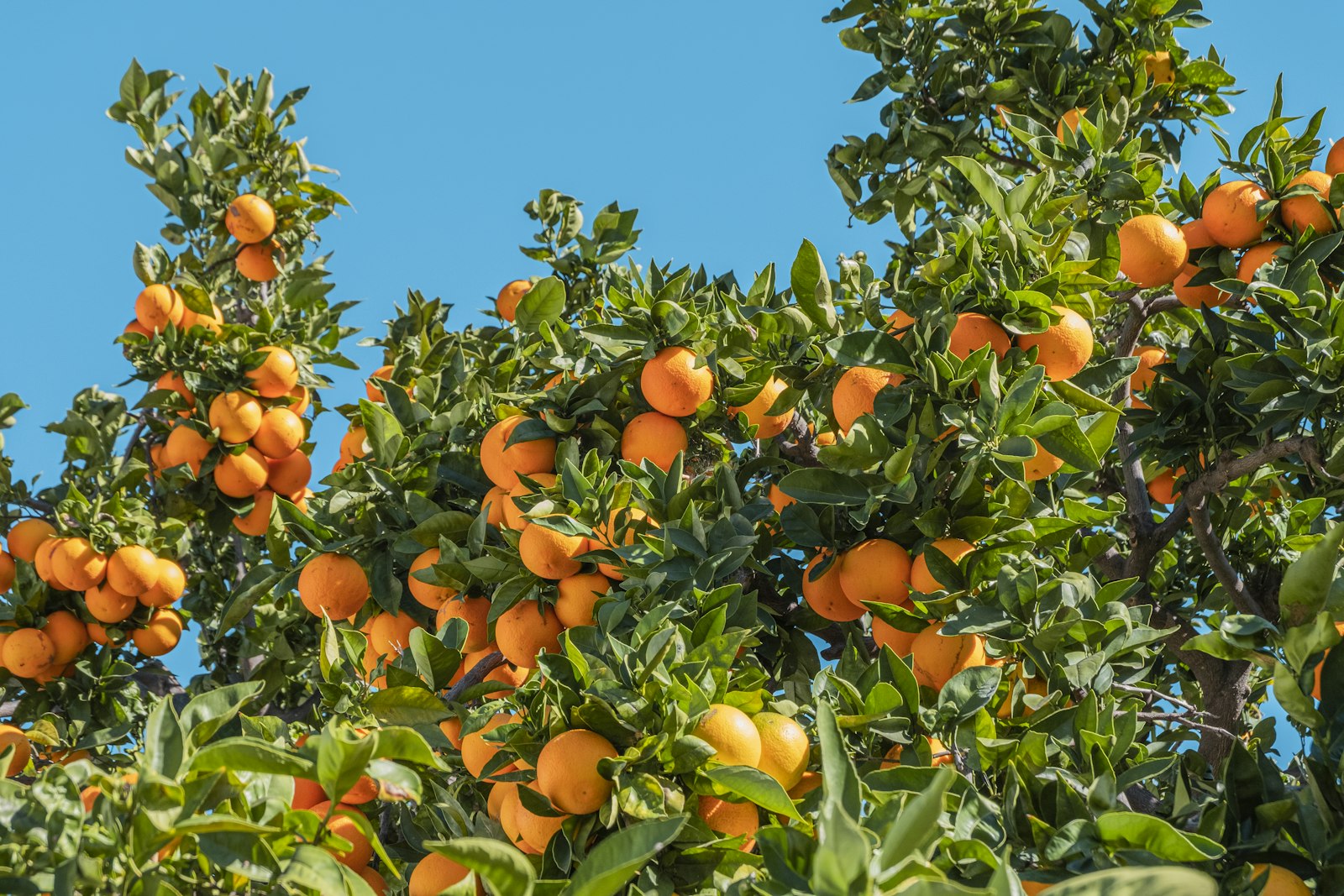
Corona started as a citrus town. The street layout downtown still echoes the original racetrack — Grand Boulevard runs in a perfect circle around the old town center, a layout almost unique in American cities and a pleasant thing to walk on a cool morning. The depots and packing houses that processed the orange groves are mostly gone, but a few have been turned into reasonable restaurants and one decent local museum.
The city’s modern identity is less photogenic and more interesting: warehousing, distribution, light manufacturing. A meaningful share of goods sold in Southern California pass through here on the way from the ports of Long Beach and LA. It is, in a small way, a useful place to think about how the rest of the region eats.
A reasonable half-day
If you have three or four hours between LA and Palm Springs:
- Walk Grand Boulevard. Park near City Hall and walk the loop. It is about three miles around — closer to a brisk hour than a stroll. Architecturally a mix; the bones are early 20th century and worth looking at.
- Lunch downtown. A handful of options on Main Street between Grand and Sixth. The Mexican places are the obvious choice and the right one; the citrus heritage means the salsa bars tend to be slightly better than average.
- The Heritage Park. A small city park with a few preserved citrus-era buildings — a packing house, a depot, some farm equipment. Free, never crowded.
- Skyline Drive. A short, paved climb into the hills above town with a view across the inland valley toward Mount Baldy on a clear day. Better at sunset than midday.
If you have a full day, you can extend with a hike at the Cleveland National Forest entrance south of town — Tin Mine Canyon is the usual recommendation — or a visit to one of the Temescal Valley wineries.
Eating and drinking
Corona is not a restaurant city, and the parts of it that are most restaurant-like are the chain-heavy strip developments around the freeway exits. The exceptions worth knowing:
- A handful of carnitas places in the older parts of town. The good ones are usually inside or attached to a Mexican grocery store. They open early, close by 7, and don’t take cards in cash-only mode roughly one Tuesday a month.
- Bakeries. Both Mexican (panaderías) and a couple of Vietnamese bakeries near the eastern edge of town. Cheaper than equivalents in LA, frequently as good.
- Coffee. Improving but not yet good. One independent coffee shop downtown is reasonable; the rest are chains.
- Beer. A short list of small breweries in industrial buildings near the freeway, the kind of taprooms that close at 9 p.m. and don’t serve food. They’re fine.
Avoid the steakhouse chains visible from the 91. They are exactly what they look like from the freeway.
When to come
Corona’s weather tracks the inland Empire generally — hotter than the coast, cooler than the desert, drier than both. Practically:
- Late October through April. Comfortable. Some genuinely beautiful winter days when the smog clears after a rain.
- May, June, September. Warm but manageable, mostly clear skies.
- July and August. Hot, sometimes smoky from regional fires, often hazy. The shade is thin. Postpone.
Mornings, year-round, are the most pleasant time to walk anywhere in town.
Why bother
Corona is not going to be the highlight of any trip, and shouldn’t be sold as one. But the alternative — the unbroken three-hour drive between LA and the desert, with no scheduled stop — has a way of compressing both ends of the trip into a tired blur. A half-day off the freeway, a walk around an unusual street grid, a slow lunch, and a coffee for the road tend to make both the drive and the destination noticeably better.
It is, in that sense, the most honest kind of stop: not a destination, just a useful place.